

July 16, 2026
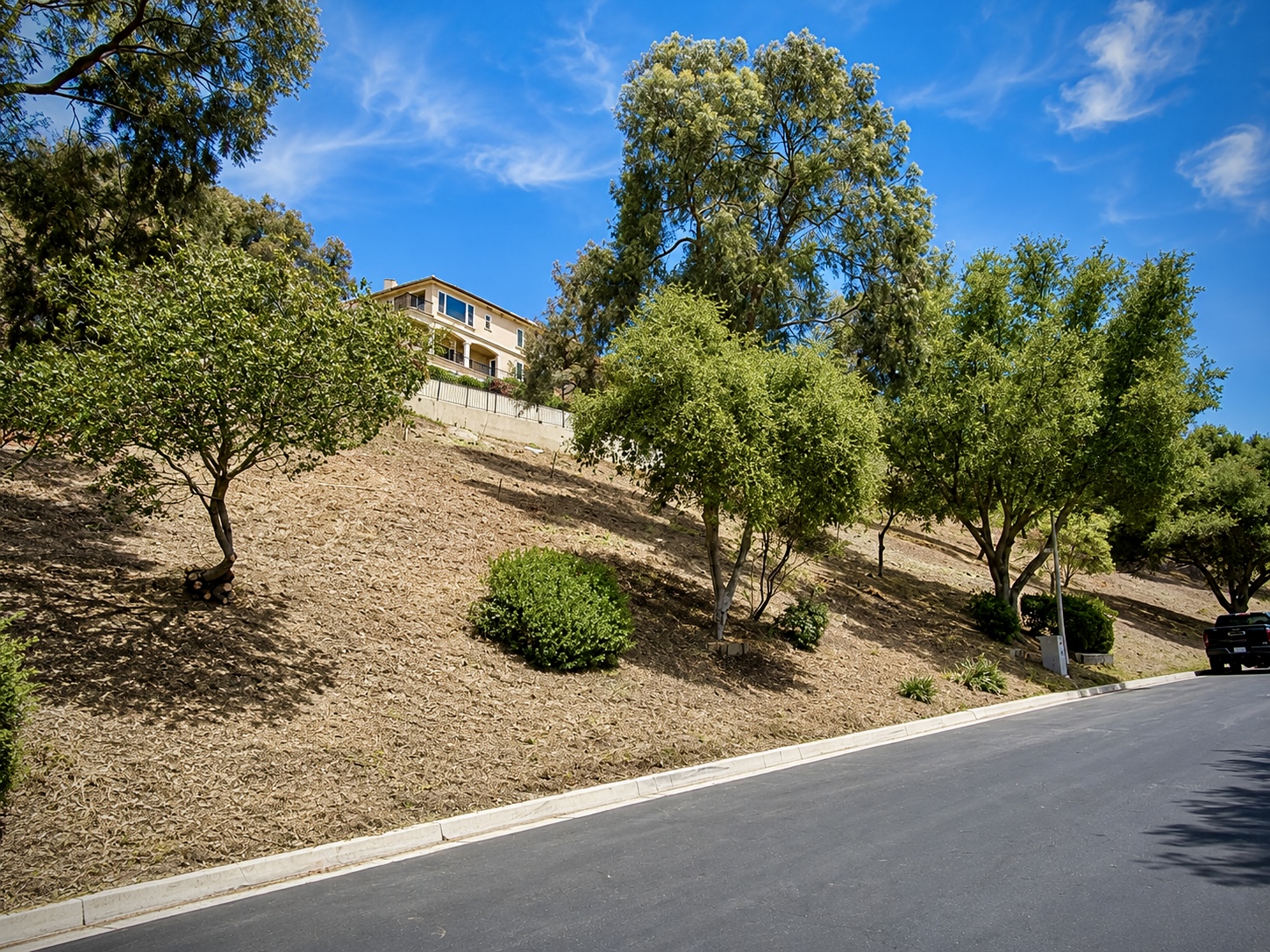
As temperatures rise and vegetation dries out, wildfire preparedness becomes increasingly important for communities across Southern California. One of the most effective ways to help reduce wildfire risk is through proactive fuel modification.
Fuel modification is the strategic removal, thinning, and ongoing management of vegetation to reduce the amount of combustible material surrounding homes, neighborhoods, slopes, and community assets. This may include trimming trees and shrubs, removing dead or overgrown vegetation, clearing dry grasses, and maintaining appropriate spacing between plants.
The goal of fuel modification is to create and maintain defensible space. By reducing available fuel, this work can help slow the spread and intensity of a wildfire while improving access and visibility for emergency responders.
Because every property is different, fuel modification plans should be tailored to the landscape, surrounding vegetation, terrain, and applicable local fire safety requirements. Properties located near open space, hillsides, canyons, or naturally vegetated areas may require additional attention throughout the year.
Regular maintenance is just as important as the initial clearing. Vegetation continues to grow, dry plant material can accumulate, and changing weather conditions can quickly increase fire risk. Routine inspections, trimming, thinning, and debris removal help ensure fuel modification zones remain effective throughout the fire season.
At Earthco, fuel modification is part of a proactive approach to landscape management and wildfire preparedness. Maintaining defensible space can help protect communities while preserving the natural character, appearance, and long-term health of the surrounding landscape.
For property managers and HOAs, investing in routine vegetation management is an important step toward creating safer, more prepared communities during Southern California’s fire season.
