

May 21, 2026
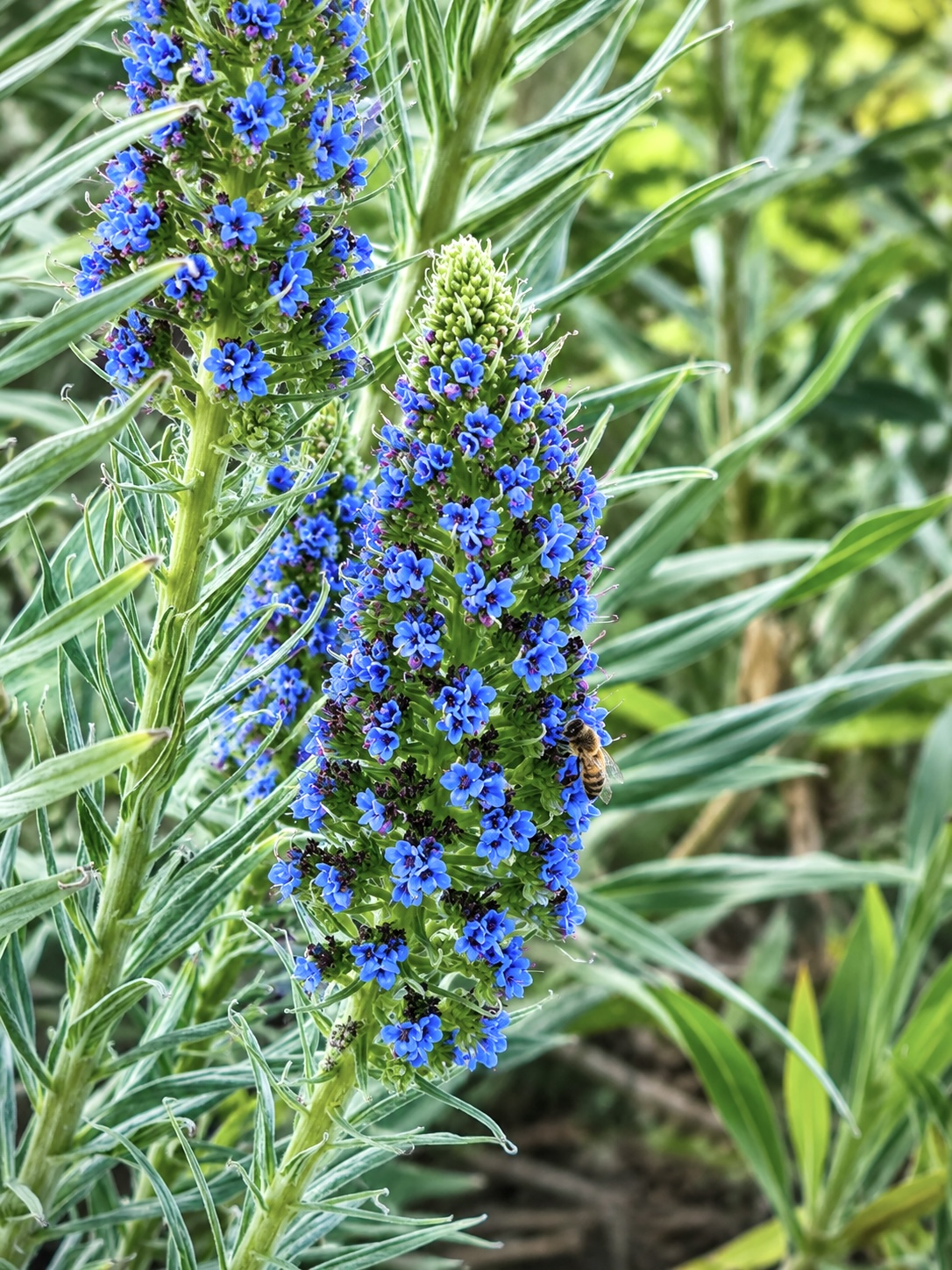
World Bee Day, a reminder of the important role bees and other pollinators play in supporting healthy landscapes, thriving plants, and balanced ecosystems.
Pollinators are essential to the natural growth cycles that help outdoor spaces stay vibrant throughout the seasons. Bees help flowering plants reproduce, support biodiversity, and contribute to the seasonal color, texture, and growth that make landscapes feel alive.
For property owners and managers, pollinator health is also closely connected to thoughtful landscape care. Healthy green spaces do more than improve curb appeal. They can support local ecosystems, encourage plant resilience, and create a more sustainable environment for both people and wildlife.
How Landscape Care Supports Pollinators
A well-maintained landscape can help create an environment where pollinators and properties both benefit. Flowering plants, healthy soil, proper irrigation, and consistent maintenance all contribute to stronger plant health and better long-term landscape performance.
Pollinator-friendly landscape practices may include incorporating seasonal blooms, maintaining healthy plant material, reducing unnecessary stress on plants, and caring for green spaces in a way that supports long-term growth.
When landscapes are managed with intention, they can provide beauty, function, and environmental value at the same time.
Creating Sustainable Outdoor Spaces
At Earthco, we believe healthy landscapes start with attention to the details. From plant health to ongoing maintenance, every part of a landscape contributes to its long-term success.
World Bee Day is a simple reminder that sustainable landscape care is not just about how a property looks today. It is about creating outdoor spaces that continue to grow, thrive, and support the natural systems around them.
Through thoughtful landscape maintenance and property care, Earthco helps create healthier, more balanced landscapes built for long-term success.
